RABBIT CARE: What should I feed my bunny?

by | Apr 12, 2021

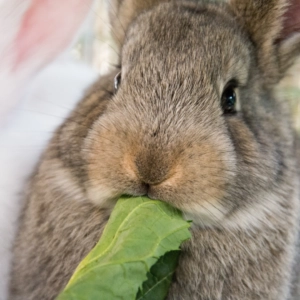
Close-up of a brown rabbit eating a fresh green leaf, with its nose and whiskers visible as it nibbles the leafy vegetable

Rabbits are social and curious animals and can make wonderful pets. But contrary to popular belief, taking care of a pet rabbit is a big responsibility. These guys have specific needs when it comes to housing, handling, diet, and enrichment requirements.

If you’ve got a pet bunny at home, or you’re thinking of adopting a new family member, follow us this month to find out how to best take care of your little friend!


Providing the ideal diet for your bunny is SUPER important. A rabbit’s diet should ensure minimal gastrointestinal disruption and maximise dental health. Did you know rabbit’s teeth never stop growing? That’s why its crucial we provide a diet high in fibre – the natural grinding action that takes place when a rabbit chews fibrous plants helps to wear the teeth down.

A rabbits diet should consist of:
• 80% fresh hay (approximately one kitty litter tray full)
• 15-20% green leafy vegetables (approximately one 3L container loosely packed per 2kg bodyweight)
• 1-5% treats (including pellets, fruit and treat vegetables such as carrots, apples and banana).

Hay should be the core component of every rabbit’s diet. It helps to maintain ideal digestive flora and helps to prevent dental disease.

Lucerne (alfalfa) and clover hay are best suited to rabbits under 6 months of age. It’s highly palatable and provides a great source of protein and calcium. Close-up of dried lucerne hay showing a mix of green leaves and pale stems commonly used as feed for rabbits and other small animals
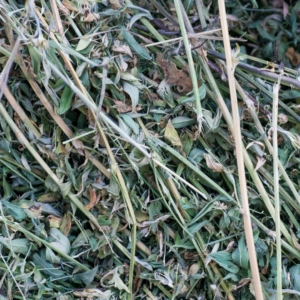
Oaten hay is best ideal for rabbits over 6 months of age. Continued use of Lucerne and clover hay in non-juvenile rabbits can lead to obesity and bladder sludge.

Vegetables and greens should make up 15-20% of your bunny’s diet. These offerings should be varied and consistent.

Main portion of vegetables to be offered:

  • Carrot tops
  • Dandelion and chicory leaves
  • Milk thistle
  • Asian greens
  • Grass
  • Celery
  • Coriander
  • Mint and other herbs
  • Parsley

Offer moderately:

  • Cucumber
  • Cauliflower leaves
  • Cabbage leaves
  • Broccoli

Offer minimally as treats:

  • Apples
  • Oranges
  • Grapes
  • Bananas
  • Strawberries
  • Watermelon
  • Melon

Not to be offered 

  • Iceberg lettuce
  • Potatoes
  • Rhubarb
  • Tomato plants
  • Meat
  • Fish
  • Dairy products
  • Chocolate
  • Caffeine containing products
  • Alcohol
  • Biscuits/bread
  • Sugary foods
  • Spicy foods
  • Peppers
  • Medications for other species
  • Onions/garlic plants
  • Corn kernels
  • Popcorn


Make an Appointment

Call Our Friendly Staff

🐣 Easter is here… and so is the temptation (for everyone)

🐣 Easter is here… and so is the temptation (for everyone) Easter is a wonderful time of year. Long weekends, family catch-ups, chocolate appearing in every room of the house for no clear reason… And for our pets? It’s basically a high-stakes treasure hunt with very...

Healthier Weight, A Happier Life for Your Pet

Helping your pet reach an healthy weight isn’t just about feeding less — it’s about feeding smarter. This video explains how Royal Canin Satiety diets are specifically designed to support safe and effective weight loss while keeping pets feeling satisfied. 👉 Royal...

Hop Into Our Easter Colouring Competition! 🐰🎨

Easter is just around the corner, and we’re celebrating with something a little fun for our youngest animal lovers… 🎨🐾 ✏️ HOW TO ENTER Download and print the colouring page (or pick one up in clinic) Get Creative Complete the entry details on the back page Submit your...

Is Your Pet Overweight? Join Our Healthy Weight Program

Just like humans, pets can struggle with weight gain — and even a small amount of excess weight can significantly impact their health. This March, Berwick Vet Hospital & Narre Warren Vet are launching our COMPLIMENTARY 12-Week Healthy Weight Program — complete...

Ear Infections in Pets: Why We See More of Them in Warmer Weather

Ear infections are one of the most common (and uncomfortable) conditions we see in dogs — and yes, cats too. While they can happen at any time of year, we often see an increase in ear infections during warmer months, especially in pets who love swimming or spending...

✨ Celebrating Our Team As We Begin The New Year – 2025 Annual Awards 🏆

As we look ahead to another exciting year, we wanted to take a moment to reflect on what made last year so special — our incredible team 💙 🏆 The BVH Annual Leroy Award ~ Congratulations Nurse Michelle The Annual Leroy Award recognises overall excellence and...

Keeping Your Pets Safe in Extreme Heat ☀️

Hot weather can be uncomfortable for all of us — but for pets, extreme heat can be dangerous and even life-threatening. On days over 35–40°C, dogs and cats can overheat very quickly, especially if they are exercised, left outdoors, or unable to cool themselves...

The Ultimate Pet Healthcare Plan for Furry Family Members This Christmas

Welcoming a new puppy or kitten into your home this Christmas? We know how exciting (and sometimes overwhelming!) those early days can be. At Berwick & Narre Warren Vet Clinics, our goal is to make your pet’s healthcare straightforward, supportive, and...

Your Pet’s Christmas Checklist: From Travel to Treats (and Everything in Between)

Can you believe there’s only 36 sleeps until Christmas?! While we’re all busy Christmas shopping and planning holidays & Christmas celebrations, it’s important to make sure our pets are just as prepared. The Christmas and New Year period often brings changes to...

I’ve Found a Baby Bird – What Should I Do?

Spring has sprung here in Victoria, and with it comes an influx of adorable baby birds learning to take their first flights. Every year, well-intentioned animal lovers bring fledglings into our clinic thinking they’ve been abandoned — but in most cases, these little...