
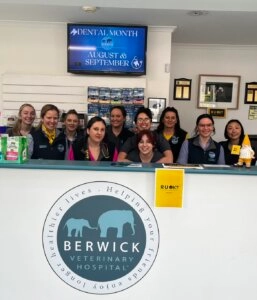
 In the fast-paced world of veterinary medicine, where compassion meets crisis, the mental well-being of veterinary professionals is often overlooked. The demands of caring for beloved pets, facing challenging cases, and dealing with the emotional toll of both success and loss can take a significant toll on the mental health of those in the profession. Recognising the importance of addressing these issues, R U OK Day in vet clinics has emerged as a vital initiative aimed at promoting mental health awareness and support within the veterinary community.
The Veterinary Profession: A Unique Challenge
Working in a veterinary clinic presents unique challenges that can have a profound impact on mental health. Veterinarians and their support staff are often tasked with delivering difficult news to pet owners, making life-or-death decisions, and coping with the emotional highs and lows of their work. Long hours, physically demanding tasks, and a constant sense of responsibility contribute to the stressors faced by veterinary professionals.
R U OK Day: A Lifeline for Veterinary Professionals
R U OK Day, which is celebrated annually on the second Thursday of September in Australia, is a day dedicated to starting conversations about mental health and checking in on colleagues, friends, and family. In recent years, this initiative has gained traction within the veterinary community as clinics across the country recognise the importance of addressing mental health issues in the workplace.
Fostering a Supportive Environment
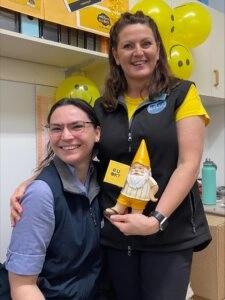 Veterinary clinics are increasingly focusing on fostering a supportive environment where staff can openly discuss their mental health. On R U OK Day, clinics may hold special events, workshops, or simply encourage open conversations about well-being. These activities serve to break the stigma surrounding mental health issues and create a culture of understanding and empathy within the workplace.
Identifying Signs of Distress
One of the primary goals of R U OK Day in vet clinics is to help colleagues recognise the signs of distress in their coworkers. Veterinary professionals are often skilled at caring for animals but may overlook the well-being of their peers. Encouraging open dialogue and offering resources for identifying signs of stress or depression can make a significant difference in the lives of those who need help.
Seeking Professional Help
R U OK Day also emphasises the importance of seeking professional help when needed. Veterinary professionals may be hesitant to reach out due to concerns about appearing vulnerable or affecting their career, but it’s crucial to understand that seeking help is a sign of strength, not weakness. Many veterinary organisations and clinics now offer employee assistance programs (EAPs) and mental health resources to support their staff.
The Long-Term Impact
R U OK Day is not just a one-day event but a catalyst for long-term change. By fostering a culture of mental health awareness and support in veterinary clinics, the profession can become more resilient and better equipped to cope with the unique challenges it faces. This, in turn, benefits the well-being of both veterinary professionals and the animals they care for.
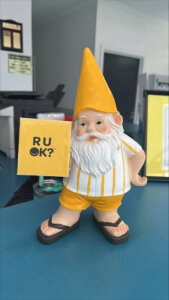 R U OK Day in vet clinics serves as a vital reminder that mental health matters in the veterinary profession. Through open conversations, support networks, and access to professional help, veterinary professionals can better navigate the emotional demands of their work. By recognising the importance of mental well-being, the veterinary community is taking a significant step towards creating a healthier, more resilient, and compassionate profession.