Just like us, cats require regular vaccinations to help protect them against contagious and preventable disease.

Your pet’s vaccination schedule will depend on their age, lifestyle and previous vaccination history.
KITTENS – PRIMARY VACCINATION SCHEDULE
6-8 weeks old – First F3 vaccination
12 weeks old – Second F3 vaccination
16 weeks old – Third F3 vaccination
The F3 vaccination protects against Feline Panleukopaenia, Feline Rhinotracheitis Virus and Feline Calicivirus. This is a core vaccine recommended for all cats.
ADULT CATS – BOOSTER VACCINATIONS
Cats require yearly booster vaccinations to provide long term immunity. The first F3 booster is given one year after their 16-week kitten vaccination.
If your cat is exposed to the outdoors or other cats, consider including the Feline Immunodeficiency Virus (FIV) vaccine into your cat’s schedule. The first FIV vaccination can be given at 12 weeks of age. The initial course consists of three doses, given two weeks apart e.g. 12 weeks, 14 weeks and 16 weeks. A yearly FIV booster is required.
Receive 20% OFF all vaccinations for the month of June. Book online or give us a call on (03) 9707 2655
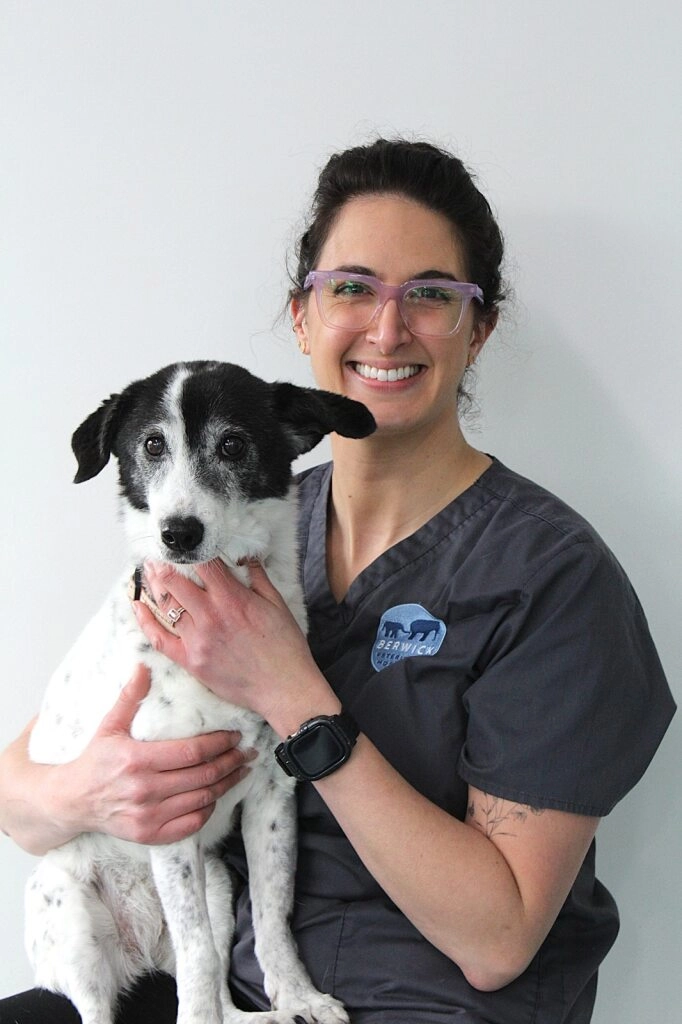
About the Author: Saraid Smith
Clinical Operations Coordinator, Berwick Veterinary Hospital · Certificate IV in Veterinary Nursing · In the veterinary industry since 2006
Saraid Smith is the Clinical Operations Coordinator at Berwick Vet Hospital. She has worked in the veterinary industry since 2006 and completed her Certificate IV in Veterinary Nursing in 2011. With a strong background in Emergency and Critical Care and Internal Medicine, Saraid brings extensive clinical experience and a passion for delivering exceptional patient care.
Since joining Berwick Vet Hospital in 2021, Saraid has become an integral part of the team. Her professional interests include chronic disease management, animal behaviour, nutrition, and animal rescue. In late 2024, she stepped into a leadership role as Lead Nurse at the Berwick clinic before moving into her current position as Clinical Operations Coordinator, where she focuses on supporting both the clinical team and the ongoing growth of the hospital.
A lot of pet owners picture a “dental” as a quick teeth clean. In reality, it’s a full medical procedure aimed at finding and treating disease that’s invisible during a normal awake check-up. Dental disease is one of the most common conditions we see, affecting most...
Unexpected vet bills can be stressful — especially during emergencies or unexpected illness. That’s why we offer GapOnly®, an easy way for eligible insured pet owners to process pet insurance claims on the spot while still at the clinic. Instead of paying the full...
Over recent weeks, we’ve seen a spike in Giardia cases in our canine patients. If your dog has had ongoing diarrhoea, intermittent tummy upset, or just hasn’t seemed quite right lately, Giardia is definitely something worth keeping on the radar at the moment. Giardia...
🐣 Easter is here… and so is the temptation (for everyone) Easter is a wonderful time of year. Long weekends, family catch-ups, chocolate appearing in every room of the house for no clear reason… And for our pets? It’s basically a high-stakes treasure hunt with very...
Helping your pet reach an healthy weight isn’t just about feeding less — it’s about feeding smarter. This video explains how Royal Canin Satiety diets are specifically designed to support safe and effective weight loss while keeping pets feeling satisfied. 👉 Royal...
Easter is just around the corner, and we’re celebrating with something a little fun for our youngest animal lovers… 🎨🐾 ✏️ HOW TO ENTER Download and print the colouring page (or pick one up in clinic) Get Creative Complete the entry details on the back page Submit your...
Just like humans, pets can struggle with weight gain — and even a small amount of excess weight can significantly impact their health. This March, Berwick Vet Hospital & Narre Warren Vet are launching our COMPLIMENTARY 12-Week Healthy Weight Program — complete...
Ear infections are one of the most common (and uncomfortable) conditions we see in dogs — and yes, cats too. While they can happen at any time of year, we often see an increase in ear infections during warmer months, especially in pets who love swimming or spending...
As we look ahead to another exciting year, we wanted to take a moment to reflect on what made last year so special — our incredible team 💙 🏆 The BVH Annual Leroy Award ~ Congratulations Nurse Michelle The Annual Leroy Award recognises overall excellence and...
Hot weather can be uncomfortable for all of us — but for pets, extreme heat can be dangerous and even life-threatening. On days over 35–40°C, dogs and cats can overheat very quickly, especially if they are exercised, left outdoors, or unable to cool themselves...