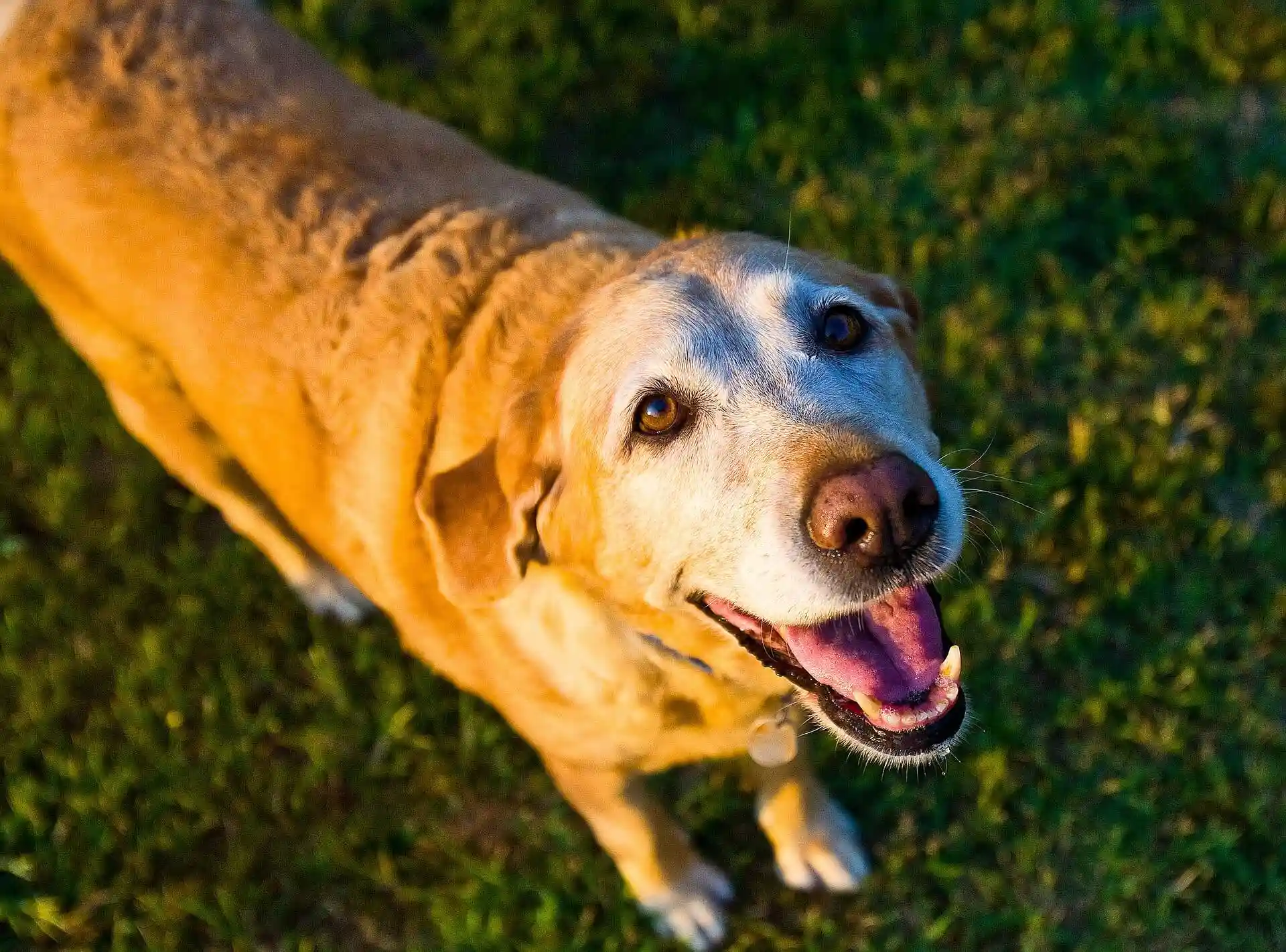
Senior pets are special. They are loyal and loving and in most cases, will have been through a number of major life events with you. The senior years can creep up on our furry friends and most people aren’t even aware that dogs and cats are classified as senior when they reach 8 years of age.
Our senior pets need some extra special care and it’s important you are aware of what you can do to help keep them happy and healthy. Here are our top tips:
Keep an eye out for changes
There’s no denying that you know your pet better than anyone, so keeping an eye out for any changes is a critical habit to develop. Watch out for:
- Fluctuations in weight
- Changes in appetite
- Increased thirst and/or urination
- The presence of a cough
- A change in sleeping habits
- Difficulty climbing stairs or jumping up on to furniture
- Accidents around the house and loss of house training
- Bad breath
- Intermittent vomiting and/or diarrhoea
- Changes in coat
- New lumps
It is easy to put any one of the above signs down to ‘just getting old’, however, any of the above may indicate underlying age-related disease and many of these can be treated successfully if they are detected early enough. If you notice any changes you should arrange a check-up with us as soon as possible.
Arrange regular health check-ups
As a general guide, a health check at least twice a year is essential for your senior friend. Much can change over 12 months (equivalent to 6-8 years in humans) and with regular check-ups, we are more likely to pick up on any health issues and can start treatment as soon as possible.
Blood and urine tests, blood pressure checks, eye checks, arthritis checks and weight checks are all important for a senior pet. We look for changes in trends over the senior years and adjust treatment programs and nutrition as necessary.
Feed an appropriate diet
As our pets age, their nutritional requirements change. Older animals don’t cope well with excessive nutrients or particular deficiencies. Protein levels in their diet are important, as is their calorie intake. Being the correct weight can have a huge impact on their quality of life and mobility. We recommend you feed your senior friend a complete and balanced premium food suitable for a mature pet. Please ask us for a specific diet recommendation.
Still got some questions about your senior pet? Here are the answers to a few of the most common senior pet questions:
1 Can my pet get dementia?
Yes – we now know that, like humans, dogs and cats can suffer from dementia. Common signs include becoming lost in usually familiar surroundings, loss of toilet training, trouble finding doors and stairways, sleep disturbances at night, separation anxiety and staring at walls. We can help you support your pet through this, just ask us for more information.
2 Can I still exercise my pet as he gets older?
Please do! Consistency is the key and this will help keep him mobile and lean. Don’t overdo it and avoid repetitive exercises such as repetitive ball throwing or long runs as this can place added stress on joints. We can advise you on an exercise regime for your senior pet.
3 Do I need to change my pet’s diet as he gets older?
Senior pets need a complete and balanced diet that is generally more restricted in calories (compared to a puppy’s diet for example) but still has adequate protein, fat and fibre. Some pets will require diets high in essential fatty acids for arthritis support. We are the best place to seek advice when it comes to what diet is most appropriate for your senior pet.
4 Is it safe for my senior pet to undergo an anaesthetic?
Veterinary anaesthetics are equivalent to those used in human medicine and are very safe. In order to provide your senior pet with the safest anaesthetic possible, prior to the procedure, we may recommend a blood and urine test to check the overall health of your pet and tailor the anaesthetic protocol accordingly. Your pet may also go on an intravenous drip to help protect their kidneys (if their blood pressure happens to drop during the procedure) and this will also allow them to recover from the anaesthetic faster.
If you want to help keep your senior pet happy and healthy make sure you ask us for the best advice. After the many years of joy they have brought you, you owe it to them!