 Since the Covid lifestyle has become the ‘new norm’, we are spending much more time at home, together with our furry friends. We love being with them, and they love being with us – so this is a great situation right?
Fortunately or unfortunately we will resume our normal lives in the not too distant future, and we won’t be spending all day, everyday with our pets. Whilst we can comprehend the changes that will happen and manage our emotions around this, our furry loved ones won’t understand the changes, and many wont be able to control the stress associated with being apart from us.
The puppies and kittens of 2020 in particular won’t know what ‘normal life’ is!
For some pets, irrespective of what tools are implanted at home – the return to work of their humans will be very stressful and anxiety inducing. Signs of separation anxiety can include;
- Unsettled behaviour
- Pacing
- Whining
- Barking
- Escaping
- Toileting inside
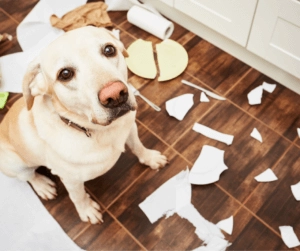
- Environmental destruction
- Self harm
Animals with separation anxiety should be examined by your veterinarian to assess for underlying medical or anxiety-related concerns that can exacerbate anxiety. Whether these symptoms are mild or severe, attaining a diagnosis from a Veterinarian is the first step toward a targeted treatment and behaviour modification plan.
There are a few things we can do to help our pets, so that they can be safely (&happily!) left alone when we return to our normal working and/or weekday routines;
1. Maintaining a regular routine: Feed and exercise/play with your pets at a similar time to what you would do so when life returns to normal. Routine changes can be upsetting for those animals that have a strong body clock.
2. Alone time: Encourage your pet to spend time alone each day that they find enjoyable. A great way to start this process initially is with high-value treats for your pet to enjoy – lickable and easy to focus on treats are ideal (think xylitol-free peanut butter, canned pet food and favourite (safe to eat unsupervised) treats hidden in Kongs, food bowl mazes, muffin tins etc. Gradually vary the distance (from a different room to being outside) and duration of separation. Offering favourite toys on rotation, and kibble/treats hidden in the environment (‘Sniffaris’) can also help your pet enjoy their alone time.
3. Desensitising your work routine: Randomly jangle your keys during the day, pick up your work bag during the day and open and close the front door or garage intermittently so your pets don’t only associate these objects or actions with you leaving.
4. Exercise: We know from the COVID lifestyle that being cooped up in a house/yard is enough to make anyone go crazy! So take your pets out for walks to keep them stimulated, play games at home and teach new tricks that have them exercising their bodies and minds.
5. Build confidence: Puzzle toys, training sessions and teaching new tricks with only positive reinforcement and positive rewards are all essential for building your pet’s confidence and resilience.
If you have any concerns surrounding your pet and separation anxiety, feel free to get in touch with us to organise a thorough assessment.