Grass Seeds – how to recognise and treat a very big problem in a very small package

by | Jan 27, 2022

In the late spring and summer, the number of cases of grass seeds in dogs (and sometimes cats) rises exponentially.   The most common place they end up are in a dog’s paws, ears and eyes.  However, they can also be found in an animal’s mouth and genitals, or be inhaled or ingested.
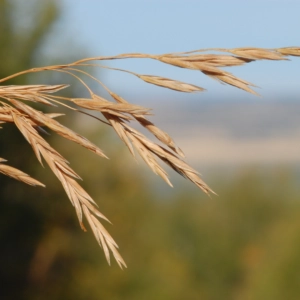
The shape of grass seeds with their sharp tip means that they can very easily penetrate through your dog’s skin or lodge themselves in your pet’s ears or eyes. Most seeds have an awn that fans out and makes it almost impossible for the grass seed to go backwards – very similar to a fish hook.  Grass seeds will generally start their journey when they get caught in your dog’s coat during a walk or play in long grass. From there, they are able to penetrate the skin and if undetected, can travel to various areas of the body. Grass seeds carry infection through the skin and into the body, and will generally cause a painful swelling which progresses to cause an abscess in your dog.

It is critical to recognise the signs of a possible grass seed problem early, as this can allow for quick treatment and the minimisation of an ongoing or fatal issue.   Signs of grass seed related problems depends on where the grass seed has lodged. This will often cause a swelling at the site of lodgement, which your dog will become very irritated with. Often dogs will try to lick, scratch or chew the affected area.  For instance, in the most common area that grass seeds will end up which is the paw, your pup may identify with a swollen, red paw, with a weeping hole that they continue to lick and chew at.  They may also be lame on that leg.

It is extremely important that if a grass seed is suspected, that a visit to your veterinarian happens as soon as possible.  In most scenarios, they will need to place your dog under sedation or general anaesthesia to examine, clean and no doubt explore the area to find the grass seed, which can be an uncomfortable process for your pet in an already very tender area.  There are times when a grass seed is highly suspected but is not found when the area is explored surgically.  Antibiotics and anti-inflammatory medication are usually required after removing a grass seed as they often carry infection into the body where they have lodged and cause inflammation in the surrounding area. Occasionally grass seeds can travel through intestines and even lodge next to the spine or in the lungs. For seeds that have travelled a long distance, CT scan or specialist ultrasound may be suggested.  On the whole, the outcome for grass seed removal is good, and your pet would be back to normal within a couple of weeks.

Be on the lookout during the late spring and summer months when there is a greater risk of grass seed problems.

Here are some things to keep in mind and watch out for:

  • Keep your grass and weeds under control at home with regular maintenance
  • Avoid long grass when on walks
  • Keep long haired dogs groomed, especially around their feet and ears
  • Inspect your dog all over after each walk, making sure you check in between and under all toes and underneath the ears
Make an Appointment

Call Our Friendly Staff

Ear Infections in Pets: Why We See More of Them in Warmer Weather

Ear infections are one of the most common (and uncomfortable) conditions we see in dogs — and yes, cats too. While they can happen at any time of year, we often see an increase in ear infections during warmer months, especially in pets who love swimming or spending...

✨ Celebrating Our Team As We Begin The New Year – 2025 Annual Awards 🏆

As we look ahead to another exciting year, we wanted to take a moment to reflect on what made last year so special — our incredible team 💙 🏆 The BVH Annual Leroy Award ~ Congratulations Nurse Michelle The Annual Leroy Award recognises overall excellence and...

Keeping Your Pets Safe in Extreme Heat ☀️

Hot weather can be uncomfortable for all of us — but for pets, extreme heat can be dangerous and even life-threatening. On days over 35–40°C, dogs and cats can overheat very quickly, especially if they are exercised, left outdoors, or unable to cool themselves...

The Ultimate Pet Healthcare Plan for Furry Family Members This Christmas

Welcoming a new puppy or kitten into your home this Christmas? We know how exciting (and sometimes overwhelming!) those early days can be. At Berwick & Narre Warren Vet Clinics, our goal is to make your pet’s healthcare straightforward, supportive, and...

Your Pet’s Christmas Checklist: From Travel to Treats (and Everything in Between)

Can you believe there’s only 36 sleeps until Christmas?! While we’re all busy Christmas shopping and planning holidays & Christmas celebrations, it’s important to make sure our pets are just as prepared. The Christmas and New Year period often brings changes to...

I’ve Found a Baby Bird – What Should I Do?

Spring has sprung here in Victoria, and with it comes an influx of adorable baby birds learning to take their first flights. Every year, well-intentioned animal lovers bring fledglings into our clinic thinking they’ve been abandoned — but in most cases, these little...

🎃 Trick or Treat? Halloween Through Your Pet’s Eyes

Halloween’s just around the corner — costumes, lollies, decorations, and the occasional inflatable skeleton are popping up across the neighbourhood. While it’s all a bit of fun for us, our pets are often left wondering what on earth is going on. This year, instead of...

Updated Dog Vaccination Guidelines at Berwick Vet: What Pet Parents Need to Know

At Berwick Veterinary Hospital, we’re always working to provide the best care possible for your pets. That’s why we’ve updated our dog vaccination routine to align with the latest recommendations from the World Small Animal Veterinary Association (WSAVA). What’s...

Bravecto® Quantum: The Future of Flea and Tick Protection for Your Dog

As pet owners, we want to give our furry companions the best possible care while making our busy lives a little easier. That’s why we’re excited to introduce Bravecto® Quantum, the first-ever 12-month injectable flea and paralysis tick protection for dogs. With just...

How To Spoil Your Pets This Valentines Day

Valentine’s Day isn’t just for humans—it’s the perfect opportunity to show your furry, feathered, or scaly companions just how much you love them. Here are some fun and safe ways to spoil your pet this special day. 1. Whip Up a Special Treat Homemade pet-friendly...